Sunday, March 23, 2025

เสื้อผ้าสำหรับวัยรุ่นในช่วงสงกรานต์ ใส่อย่างไรให้ดูดี

 เสื้อผ้าสำหรับวัยรุ่นในช่วงสงกรานต์ ใส่อย่างไรให้ดูดี

เทศกาลสงกรานต์เป็นช่วงเวลาแห่งความสนุกสนานที่วัยรุ่นหลายคนตั้งตารอคอย นอกจากการเล่นน้ำดับร้อนแล้ว การแต่งกายให้ดูดีมีสไตล์ก็เป็นสิ่งสำคัญที่ช่วยสร้างความมั่นใจและเพิ่มความโดดเด่นในเทศกาลนี้
เคล็ดลับการเลือกเสื้อผ้าให้เหมาะกับสงกรานต์
เลือกเสื้อผ้าที่ใส่สบาย: เนื่องจากสงกรานต์เป็นเทศกาลที่ต้องเผชิญกับอากาศร้อนและเปียกชื้น ควรเลือกเสื้อผ้าที่ทำจากผ้าเนื้อบางเบา ระบายอากาศได้ดี เช่น ผ้าฝ้าย ผ้าลินิน หรือผ้าใยสังเคราะห์ที่แห้งเร็ว
สีสันสดใส: เสื้อผ้าสีสันสดใสจะช่วยเพิ่มความสดชื่นและเข้ากับบรรยากาศของเทศกาลสงกรานต์ได้เป็นอย่างดี เช่น สีฟ้า สีชมพู สีเหลือง หรือสีเขียว
ลายดอก: ลายดอกเป็นลายยอดนิยมที่เข้ากับเทศกาลสงกรานต์ได้เป็นอย่างดี ไม่ว่าจะเป็นเสื้อเชิ้ตลายดอก กางเกงลายดอก หรือชุดเดรสลายดอก ก็สามารถนำมามิกซ์แอนด์แมตช์ให้ดูดีมีสไตล์ได้
เสื้อผ้าที่คล่องตัว: ควรเลือกเสื้อผ้าที่ไม่รัดรูปจนเกินไป เพื่อให้เคลื่อนไหวได้อย่างคล่องตัวขณะเล่นน้ำ เช่น กางเกงขาสั้น กางเกงสามส่วน หรือชุดเดรสสั้น
เสื้อผ้าที่แห้งเร็ว: หากคุณวางแผนที่จะเล่นน้ำ ควรเลือกเสื้อผ้าที่ทำจากผ้าที่แห้งเร็ว เพื่อป้องกันความอับชื้นและไม่สบายตัว
ไอเดียการแต่งกายสำหรับวัยรุ่นในช่วงสงกรานต์
เสื้อลายดอก: เสื้อลายดอกเป็นไอเท็มยอดนิยมที่สามารถนำมามิกซ์แอนด์แมตช์ได้หลากหลายสไตล์ ไม่ว่าจะเป็นเสื้อเชิ้ตลายดอกกับกางเกงขาสั้น หรือเสื้อยืดลายดอกกับกางเกงยีนส์
เสื้อฮาวาย: เสื้อฮาวายเป็นเสื้อผ้าที่ใส่สบายและมีสีสันสดใส เหมาะสำหรับใส่ไปเล่นน้ำในช่วงสงกรานต์
เสื้อยืด: เสื้อยืดเป็นเสื้อผ้าที่ใส่สบายและคล่องตัว สามารถนำมามิกซ์แอนด์แมตช์กับกางเกงขาสั้นหรือกางเกงยีนส์ได้หลากหลายสไตล์
เสื้อกล้ามหรือเสื้อสายเดี่ยว: เสื้อกล้ามหรือเสื้อสายเดี่ยวเป็นเสื้อผ้าที่ใส่สบายและเหมาะกับอากาศร้อน สามารถนำมามิกซ์แอนด์แมตช์กับกางเกงขาสั้นหรือกางเกงยีนส์ได้
เสื้อแขนกุด: เสื้อแขนกุดเป็นเสื้อผ้าที่ใส่สบายและคล่องตัว เหมาะสำหรับใส่ไปเล่นน้ำในช่วงสงกรานต์
เสื้อผ้ามัดย้อม: เสื้อผ้ามัดย้อมเป็นเสื้อผ้าที่มีสีสันสดใสและมีเอกลักษณ์เฉพาะตัว เหมาะสำหรับวัยรุ่นที่ต้องการแต่งกายให้โดดเด่นในเทศกาลสงกรานต์
เสื้อผ้าสีสะท้อนแสง: เสื้อผ้าสีสะท้อนแสงเป็นเสื้อผ้าที่ช่วยเพิ่มความโดดเด่นและทำให้มองเห็นได้ชัดเจนในที่มืด เหมาะสำหรับใส่ไปเล่นน้ำในช่วงกลางคืน
เคล็ดลับเพิ่มเติม
เครื่องประดับ: เพิ่มความโดดเด่นด้วยเครื่องประดับ เช่น หมวก แว่นกันแดด หรือสร้อยคอ
รองเท้า: เลือกรองเท้าที่ใส่สบายและกันน้ำได้ เช่น รองเท้าแตะ หรือรองเท้าผ้าใบ
กระเป๋า: เลือกกระเป๋าที่กันน้ำได้ เพื่อป้องกันสิ่งของภายในกระเป๋าเปียก
หวังว่าบทความนี้จะเป็นประโยชน์สำหรับวัยรุ่นที่กำลังมองหาไอเดียการแต่งกายในช่วงสงกรานต์นะคะ

เสื้อผ้าสำหรับวัยรุ่นในช่วงสงกรานต์

Thursday, October 17, 2024


Intelligent robot system for mobile order fulfillment, using smart strategies to avoid conflicts and connect digital and physical operations concept

Intelligent Robot Systems: The Future of Automation

Intelligent robot systems represent a cutting-edge fusion of robotics, artificial intelligence, and advanced sensors. These sophisticated machines are designed to perceive their environment, make decisions, and perform complex tasks with minimal human intervention.

Key features of intelligent robot systems include:

  1. Perception: Advanced sensors and cameras allow robots to gather data about their surroundings.
  2. Decision-making: AI algorithms process sensor data to make informed decisions in real-time.
  3. Adaptability: These systems can learn from experience and adjust their behavior accordingly.
  4. Autonomy: Intelligent robots can operate independently, reducing the need for constant human oversight.

Applications of intelligent robot systems span various industries, from manufacturing and healthcare to space exploration and domestic services. As technology continues to advance, these systems are poised to revolutionize automation, enhancing efficiency and capabilities across numerous sectors.

While challenges remain, such as ethical considerations and the need for robust safety measures, the potential benefits of intelligent robot systems are immense. As research progresses, we can expect to see even more sophisticated and capable robotic systems integrated into our daily lives and work environments.
Intelligent robot system

Sunday, August 11, 2024

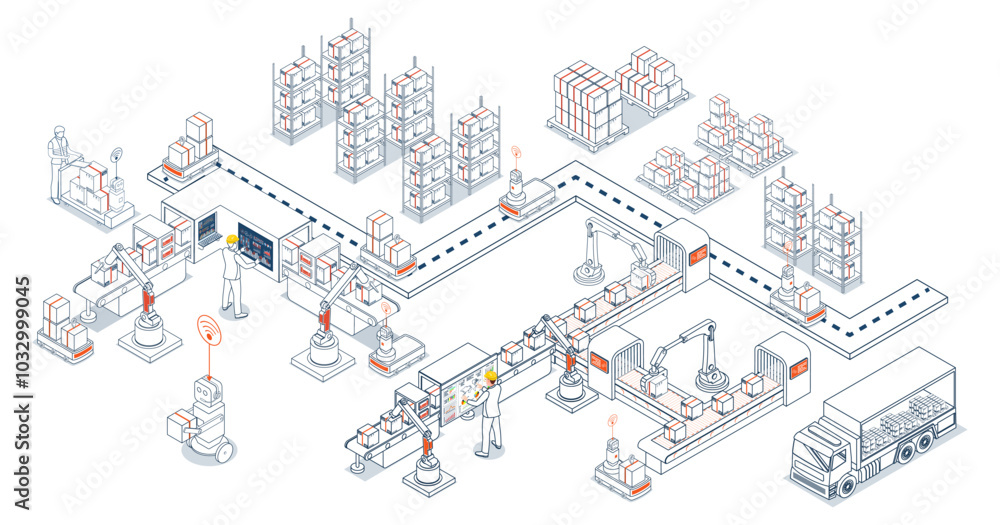
 Automated Guided Vehicles (AGVs) and Autonomous Mobile Robots (AMRs) concept.


Automated Guided Vehicles: Revolutionizing Industrial Logistics


In today's fast-paced industrial landscape, efficiency and precision are paramount. Enter Automated Guided Vehicles (AGVs) - the unsung heroes of modern warehouses, factories, and distribution centers. These intelligent machines are transforming the way businesses handle material transport, streamlining operations, and boosting productivity.


What Are Automated Guided Vehicles?


AGVs are robotic transport systems that navigate autonomously through facilities, carrying materials, products, or equipment without human intervention. These versatile machines use various technologies to guide their movement, including magnetic strips, lasers, vision systems, or a combination of these methods.


Key Benefits of AGVs


1. Increased Efficiency: AGVs operate 24/7 without fatigue, significantly reducing downtime and increasing overall productivity.


2. Enhanced Safety: By minimizing human involvement in potentially dangerous material handling tasks, AGVs drastically reduce workplace accidents.


3. Cost Reduction: While initial investment may be substantial, AGVs offer long-term cost savings through reduced labor expenses and increased operational efficiency.


4. Improved Accuracy: AGVs follow precise pathways and schedules, ensuring consistent and error-free material handling.


5. Scalability: As business needs grow, AGV systems can be easily expanded or reconfigured to accommodate changing requirements.


Types of AGVs


1. Towing AGVs: These vehicles pull trailers or carts, ideal for transporting heavy loads over long distances.


2. Unit Load AGVs: Designed to carry a single load on their platform, perfect for pallet transport.


3. Forklift AGVs: Equipped with lifting mechanisms, these AGVs can handle tasks traditionally performed by human-operated forklifts.


4. Assembly Line AGVs: Specialized vehicles that move products through various stages of assembly.


5. Custom AGVs: Tailored solutions designed for specific industry needs or unique operational requirements.


Industries Benefiting from AGVs


- Manufacturing

- Automotive

- Pharmaceuticals

- Food and Beverage

- E-commerce and Retail

- Aerospace

- Healthcare


Implementing AGVs: Considerations and Challenges


While AGVs offer numerous advantages, successful implementation requires careful planning:


1. Facility Layout: The existing infrastructure may need modifications to accommodate AGV pathways and charging stations.


2. Integration: AGVs must seamlessly integrate with existing warehouse management systems and other automation technologies.


3. Training: Staff need proper training to work alongside AGVs and maintain the systems.


4. Initial Investment: The upfront cost of AGVs can be significant, requiring a thorough cost-benefit analysis.


5. Flexibility: As business needs evolve, the AGV system should be adaptable to changing requirements.


The Future of AGVs


As technology advances, we can expect to see even more sophisticated AGVs:


1. AI and Machine Learning: Enhanced decision-making capabilities and predictive maintenance.


2. 5G Integration: Improved communication and real-time data processing.


3. Advanced Sensors: Better obstacle detection and navigation in dynamic environments.


4. Collaborative Robots: AGVs working in tandem with human workers for optimal efficiency.


Conclusion


Automated Guided Vehicles represent a significant leap forward in industrial automation. By enhancing efficiency, safety, and accuracy, AGVs are not just transforming current operations but are paving the way for the smart factories of the future. As technology continues to evolve, the potential applications for AGVs are bound to expand, making them an invaluable asset for businesses aiming to stay competitive in an increasingly automated world.

Friday, August 9, 2024

 Smart Warehouse Technology


Smart Warehouse Technology: Revolutionizing Logistics


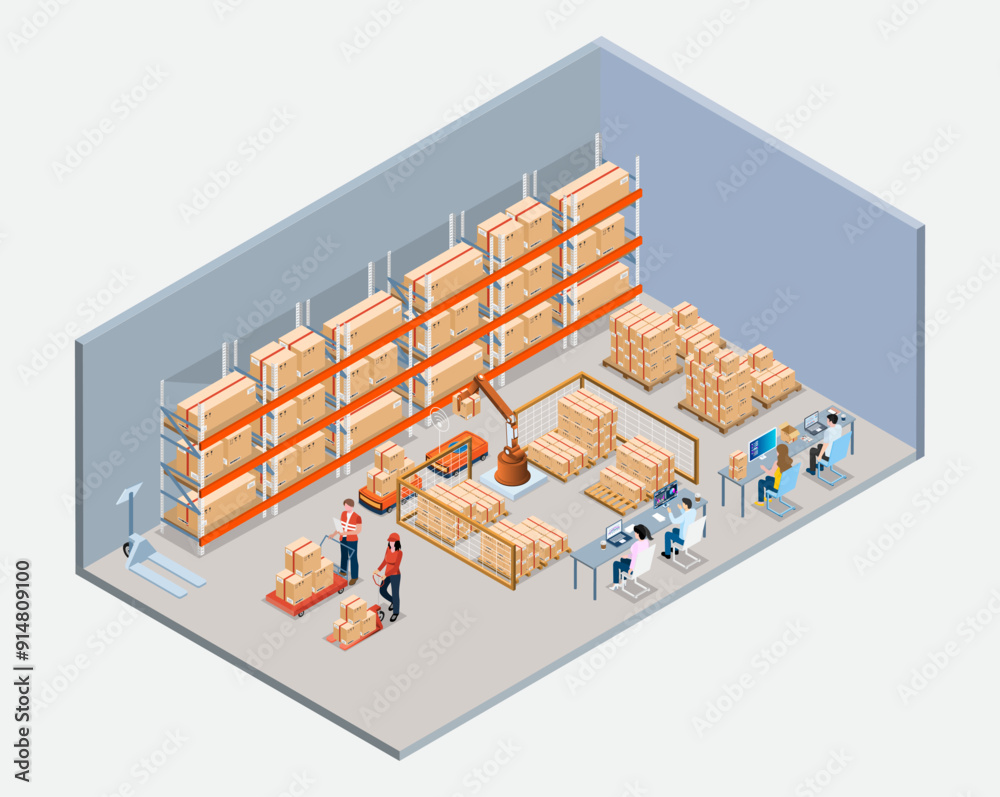
Smart warehouse technology is transforming the logistics industry, leveraging automation, artificial intelligence, and the Internet of Things (IoT) to optimize operations. These advanced systems enhance efficiency, accuracy, and productivity in warehouse management.


Key components of smart warehouses include:


1. Automated Guided Vehicles (AGVs): Robots that transport goods without human intervention.


2. IoT sensors: Devices that monitor inventory levels, equipment status, and environmental conditions in real-time.


3. AI-powered inventory management: Systems that predict demand, optimize stock levels, and reduce waste.


4. Automated storage and retrieval systems (AS/RS): High-density storage solutions that maximize space utilization.


5. Wearable technology: Devices that provide workers with hands-free access to information and instructions.


By integrating these technologies, smart warehouses can significantly reduce operating costs, minimize errors, and improve order fulfillment speed. As e-commerce continues to grow, smart warehouse technology will play an increasingly crucial role in meeting consumer demands for faster, more accurate deliveries.

Smart Warehouse management system with Automated Warehouse Robots and Automated Guided Vehicles (AGVs), Autonomous Mobile Robots (AMRs).


Smart Warehouse management system with Automated Warehouse Robots and Automated Guided Vehicles (AGVs), Autonomous Mobile Robots (AMRs).


Automated Guided Vehicles: Revolutionizing Material Handling

Automated Guided Vehicles (AGVs) are self-operating robots designed to transport materials in manufacturing facilities, warehouses, and distribution centers. These intelligent machines navigate autonomously using various technologies such as magnetic strips, lasers, or vision systems.

AGVs offer numerous benefits:

1. Increased efficiency: They operate 24/7 without breaks, maximizing productivity.
2. Enhanced safety: AGVs reduce workplace accidents by eliminating human error.
3. Cost-effectiveness: They lower labor costs and minimize product damage.
4. Flexibility: AGVs can be reprogrammed for different tasks and routes.
5. Scalability: Companies can easily add more AGVs as operations expand.

Common applications include moving raw materials, transporting work-in-progress items between stations, and delivering finished goods to shipping areas. As technology advances, AGVs are becoming smarter, faster, and more adaptable, playing a crucial role in the future of logistics and manufacturing.

Would you like me to elaborate on any specific aspect of AGVs?

เสื้อผ้าสำหรับวัยรุ่นในช่วงสงกรานต์ ใส่อย่างไรให้ดูดี

  เสื้อผ้าสำหรับวัยรุ่นในช่วงสงกรานต์ ใส่อย่างไรให้ดูดี เทศกาลสงกรานต์เป็นช่วงเวลาแห่งความสนุกสนานที่วัยรุ่นหลายคนตั้งตารอคอย นอกจากการเล่นน...